


Rep. Brownlee Responds to Medicaid Waste Allegations with Evidence-Based Solutions
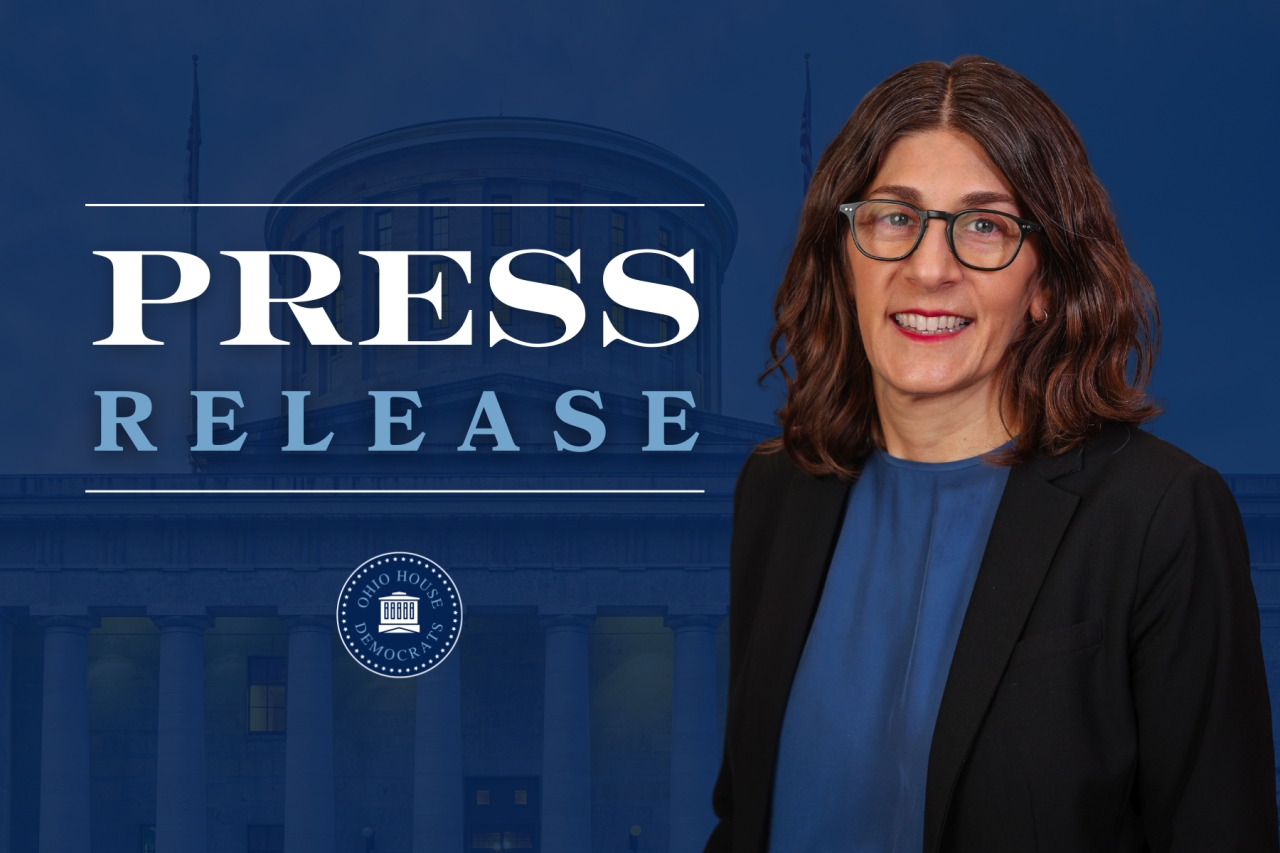
COLUMBUS – State Rep. Karen Brownlee (D-Symmes Twp) this week provided sponsor testimony on House Bill (HB) 780, The Medicaid Savings Act, a piece of legislation to reduce administrative waste in the system and focus the dollars on healthcare for Ohioans.
Amidst recent allegations of waste, fraud, and abuse, it is important to clarify that there is indeed waste in the Medicaid space as part of the way the system is built. A significant amount of waste stems from the administrative redundancies spread out over the 7 MCOs who deliver Medicaid insurance in Ohio.
While some are now focused on unsubstantiated fraud and abuse claims at the provider and patient levels, we hope the Medicaid committee maintains its commitment to the The Medicaid Savings Act hearing process. This bill is a bipartisan and bicameral approach that looks toward systemic problems to support real reform.
“The Medicaid Savings Act is a proven way to reduce waste across the Medicaid system, and it is estimated to save Ohio $1B over a two-year period," said Rep. Brownlee. “The circus of unproven fraud by Medicaid patients and providers only serves to destabilize Ohio’s healthcare system.”
This plan would move the Department of Medicaid away from the current Managed Care Organization (MCO) model to an Administrative Services Organization (ASO) model. This ASO model will integrate Medicaid care management for medical, behavioral health, and nursing care—creating a single line of Medicaid administration which will allow for simplified management, significantly reduced administrative costs, and better access to health care for Ohioans. It is estimated that The Medicaid Savings Act will save the State of Ohio hundreds of millions of dollars per fiscal year in administrative overhead.
“This bill promises to eliminate up to $850 million per year of wasteful spending in the administration of Medicaid so that these taxpayer dollars can be used, instead, to strengthen and expand direct clinical services for Ohio's 3 million Medicaid recipients," said Dr. Phil Lichtenstein, former Medical Director at Best Point Behavioral Health. “Rather than raising taxes, the bill allows us to get more bang for the bucks we're already spending.”
“As a nurse, I see how people struggle to get care, since there are many providers who are not able to accept Medicaid due to the low payment rates." said Dee Chavez, RN, a regional coordinator with Healthcare for All Ohioans. “I especially worry about Ohioans in our rural counties who will not have access to healthcare providers. This bill would increase provider and hospital payments to equitable levels, increase access to health care for patients, and could keep our rural hospitals open.”
The Medicaid Savings Act is modeled after the state of Connecticut, and Ohio’s single payer Pharmacy Benefit Manager (PBM) programs which have reduced administrative costs and increased provider participation significantly. The singular ASO model has also allowed for clean data collection and reporting on patient outcomes, providers, and health issues facing Ohioans, which allows the state to focus efforts on areas of need.
Senators Louis Blessing (R - Colerain Twp) and Beth Liston (D - Dublin) have also introduced an identical companion bill in the Senate: Senate Bill (SB) 386.
EDITOR’S NOTE: A photo of Rep. Brownlee providing testimony on The Medicaid Savings Act is attached to this release. Courtesy: Ohio House Democrats.