



Rep. Rader Supports Statewide Flock Ban: "We Can't Compromise Yet"
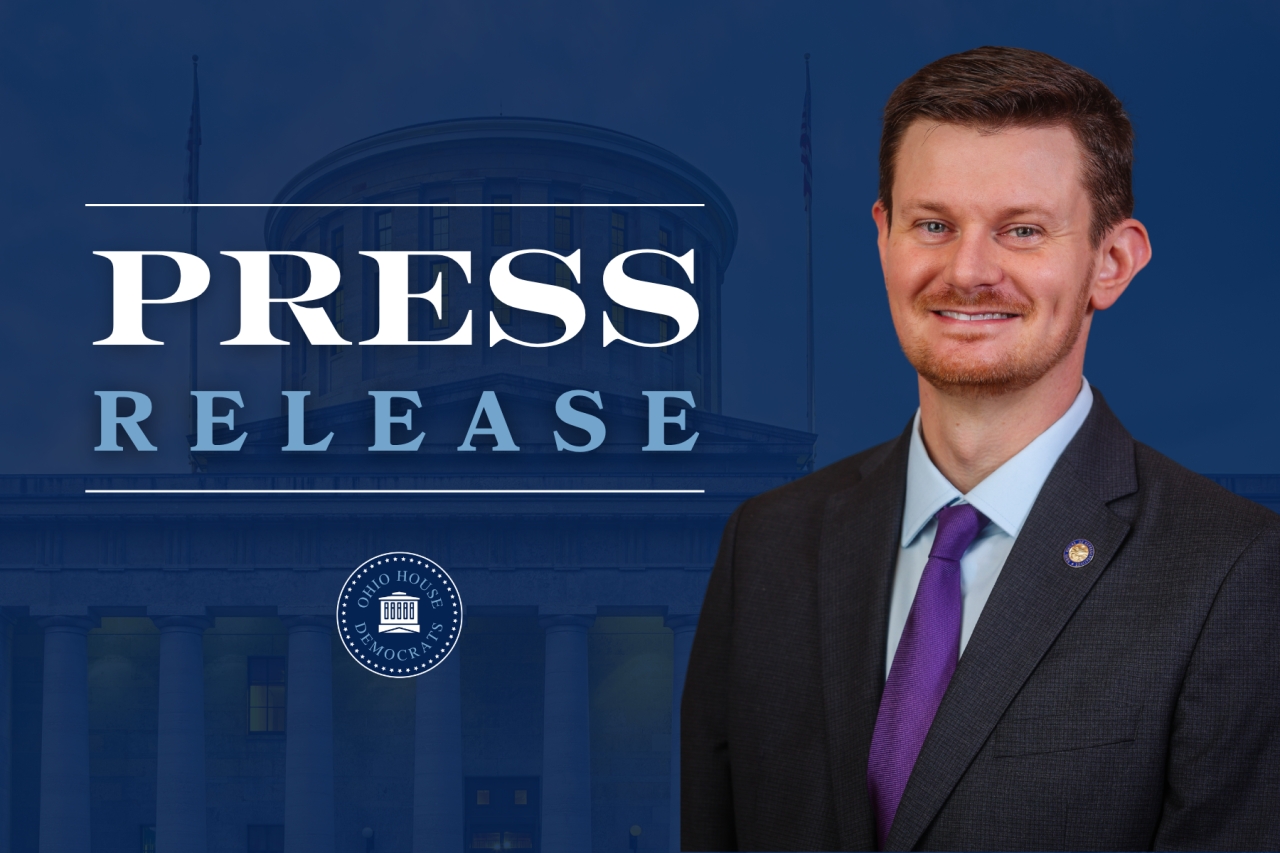
COLUMBUS — State Rep. Tristan Rader (D–Cleveland) today joined a bipartisan group of lawmakers to introduce legislation banning automatic license plate readers (ALPRs), including Flock cameras, throughout Ohio.
The legislation follows months of grassroots organizing nationwide against the rapid spread of this surveillance technology. It also builds on a bipartisan letter to the Ohio Department of Transportation from Rep. Rader and three other lawmakers calling for the removal of these cameras from public rights-of-way.
“Government should investigate crimes—not track everyone’s movements just in case,” said Rep. Rader. “These cameras quietly built a statewide surveillance network without meaningful public debate, clear limits or adequate protections for our civil liberties. Ohio took a wrong turn. This legislation gives us a chance to correct course.”
ALPR systems automatically photograph license plates and record the time and location of passing vehicles, creating searchable databases that can reveal where people live, work, worship, seek medical care and participate in political activity. This information is collected from millions of people who are not suspected of any crime.
Concerns about Flock cameras and other ALPR systems have intensified following reports that the technology has been used to help enforce abortion restrictions across state lines and that state and local surveillance data may be accessed by federal immigration authorities.
Some states have attempted to regulate ALPR systems through limits on data retention, access and disclosure. But guardrails do not change the fundamental problem: these systems collect and store information about people’s movements without a warrant, an open investigation or individualized suspicion.
“We should not begin this debate by negotiating how much warrantless surveillance Ohioans must tolerate,” added Rep. Rader. “A ban is on the table! We cannot compromise before we even start deliberating.”
This bill has been introduced and currently awaits committee assignment.