


Rep. Dovilla Responds to Auditor's Findings on Medicaid Eligibility Verification
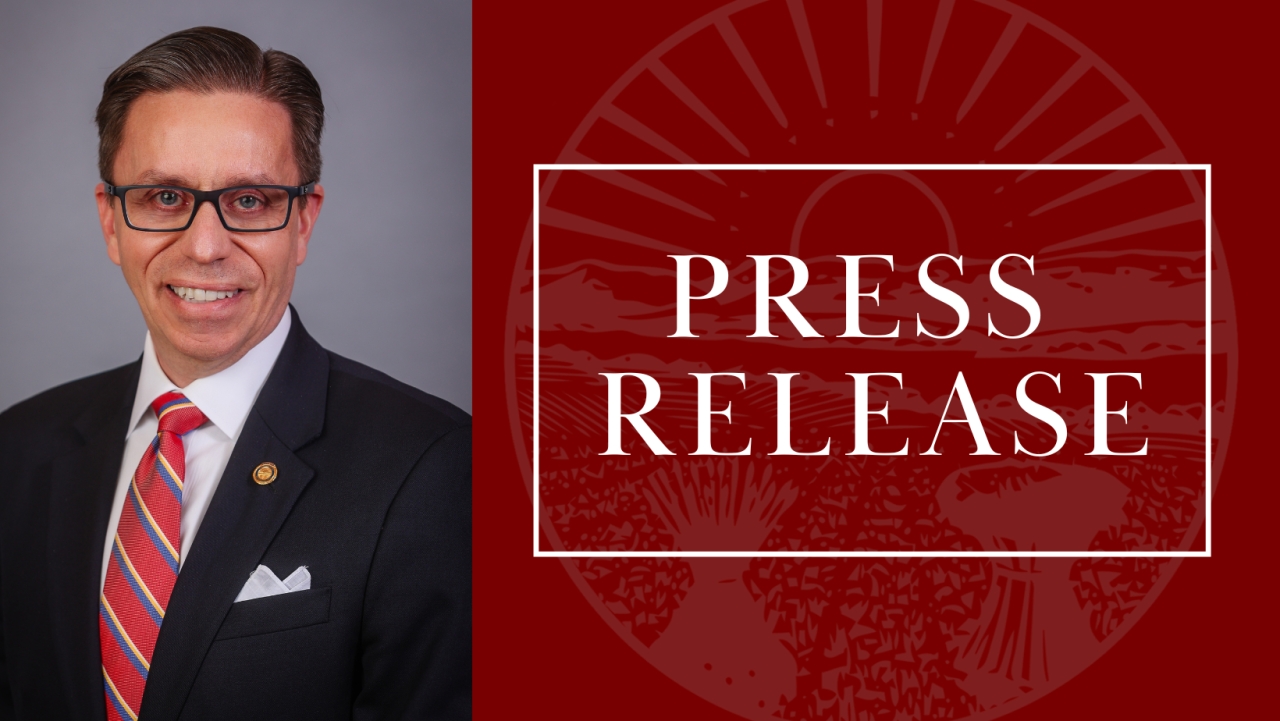
COLUMBUS – State Representative Mike Dovilla (R-Berea) today responded to a new public interest audit from Ohio Auditor of State Keith Faber identifying continued shortcomings in Ohio’s Medicaid eligibility verification process.
The Auditor’s review found that the citizenship or immigration status of 10% of sampled Medicaid recipients could not be verified or confirmed as eligible legal residents. The audit also recommended stronger requirements for maintaining and sharing data among state agencies that administer public benefits programs.
“If Ohio can’t verify that someone is eligible for Medicaid, Ohio shouldn’t be writing the check,” said Dovilla. “The Auditor just exposed a serious hole in our system. I’ll introduce legislation requiring real-time data matching, documented eligibility verification, and independent audits. Stop the waste. Protect taxpayers and put Ohioans first.”
The audit reviewed how state agencies, including the Ohio Department of Medicaid and the Ohio Department of Job and Family Services, verified applicants’ citizenship and immigration status during November 2025. While several public benefit programs performed well, the Auditor reported error rates of 10% for Medicaid and 3% for Ohio Works First.
The findings come as Dovilla continues his efforts to strengthen oversight of Ohio’s Medicaid program. In 2025, Dovilla introduced House Bill 356, legislation focused on independently auditing Ohio’s Aged, Blind, and Disabled Medicaid eligibility group, identifying improper payments, strengthening asset verification, and requiring corrective action to address improper spending. The language from House Bill 356 was subsequently incorporated into House Bill 96, Ohio’s state operating budget, and enacted into law.
The Auditor’s latest findings underscore the need to build on those reforms by strengthening eligibility verification across the Medicaid program, including better use of real-time data, documented verification, and independent review.
“This is exactly why eligibility verification cannot be treated as a paperwork exercise,” Dovilla added. “We have already taken meaningful steps to strengthen oversight, but the Auditor’s findings make clear there is more work to do. Medicaid exists to serve people who qualify for assistance. Every dollar improperly paid because the state failed to verify eligibility is a dollar taxpayers were forced to provide without adequate accountability.”
Dovilla said he will pursue additional legislation to strengthen real-time data matching across relevant state and federal databases, require clear documentation before eligibility is approved or renewed, and provide for independent auditing of the state’s eligibility verification processes.