




Ohio House Concurs on Reps. Deeter, Johnson Bill to Strengthen Jail Safety and Accountability
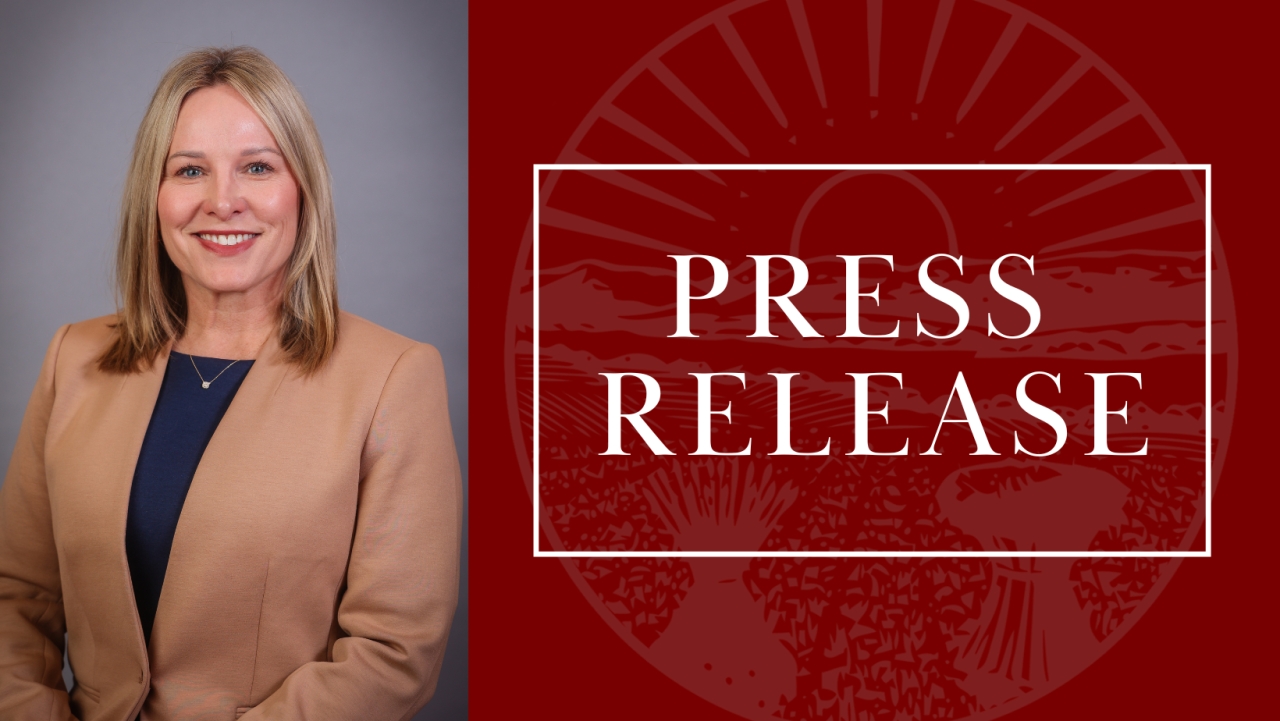
COLUMBUS, OH– State Representatives Kellie Deeter (R-Norwalk) and Mark Johnson (R-Chillicothe) today announced the Ohio House voted to concur with Senate amendments to House Bill 397, legislation to expand the allowable uses of jail commissary funds to improve facility safety, enhance rehabilitation programs, and increase transparency.
House Bill 397 provides local sheriffs with greater flexibility to reinvest jail commissary profits into critical facility needs, including security technology, staff training, inmate programming, and medical services.
“Keeping our correctional facilities safe and secure is essential for both staff and those incarcerated,” said Rep. Deeter. “This legislation gives our local sheriffs additional tools and flexibility to address the unique needs of their facilities, strengthen security, and provide meaningful rehabilitation opportunities that help individuals successfully reenter society.”
Under the legislation, jail commissary profits may be used to purchase technology designed to prevent contraband from entering facilities, support investigations into staff misconduct, fund advanced training for jail personnel, and expand educational, recreational, and treatment programs for incarcerated individuals.
“Our sheriffs know firsthand what it takes to maintain safe and effective jail operations,” said Rep. Johnson. “House Bill 397 empowers local law enforcement to make strategic investments in facility security, staff development, and rehabilitation services while ensuring taxpayer accountability and transparency.”
The bill also allows funds to support medications related to treatment and programming and clarifies permissible expenditures for commissary staff salaries and benefits. Additionally, the legislation explicitly requires records related to the use of jail commissary funds to be publicly accessible under Ohio's Public Records Law, reinforcing transparency and accountability in how these funds are spent.
The bill now heads to the Governor for a signature.