



Reps. Glassburn and Gross Propose Bill to Ensure Accessible Voting by Requiring Accommodations for Voters with Standing Limitations
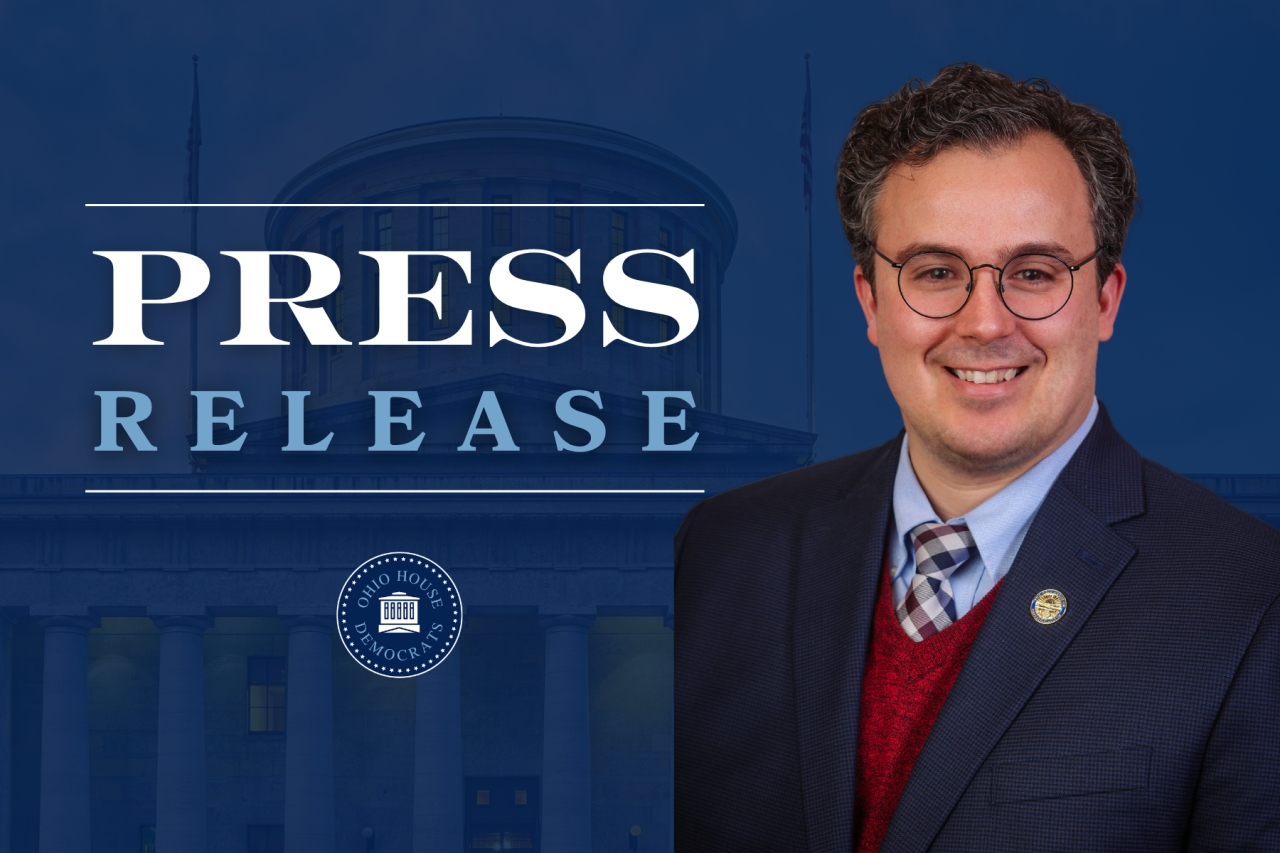
COLUMBUS – State Reps. Chris Glassburn (D-North Olmsted) and Jennifer Gross (R-West Chester) today announced the introduction of House Bill (HB) 893, designed to make voting more accessible and dignified for every Ohioan by establishing priority voting lanes for seniors and individuals with physical disabilities.
“Being able to go into your polling place and cast your ballot is a right that should be afforded to every eligible voter," said Rep. Glassburn. “No one should have to choose between their health and their right to vote. For Ohioans with physical disabilities and seniors, long waits can mean pain, discomfort, or even deciding not to vote at all. This bill provides a commonsense, compassionate, and practical solution to increase election accessibility across our state.”
Long wait times at polling locations undermine democracy by discouraging participation and determining who gets to exercise this fundamental right. According to the Election Assistance Commission’s 2024 report, 20% of voters with disabilities reported difficulties voting in 2022, with the most common stated reason being difficulty waiting in line. Reducing the time these voters must spend standing in line removes a preventable barrier to voting and helps ensure that all voters, regardless of age or physical ability, can exercise their constitutional rights.
“Every eligible citizen has a sacred right to vote, and this bill helps remove barriers for Ohioans with disabilities, ensuring every lawful voice is heard,” said Rep. Gross. “At the same time, it upholds the critical safeguards that protect the integrity of our free and fair elections.”
HB 893 proposed by Reps. Glassburn & Gross would require county boards of elections to develop an accommodation plan to reduce the time voters with standing limitations must wait to sign the pollbook or cast their ballots. Examples include establishing priority waiting lines or designating seating areas for those who need them.
The bill now awaits referral to a House Committee for further consideration.