




Representatives Lear and Craig Introduce Legislation to Empower Local Governments
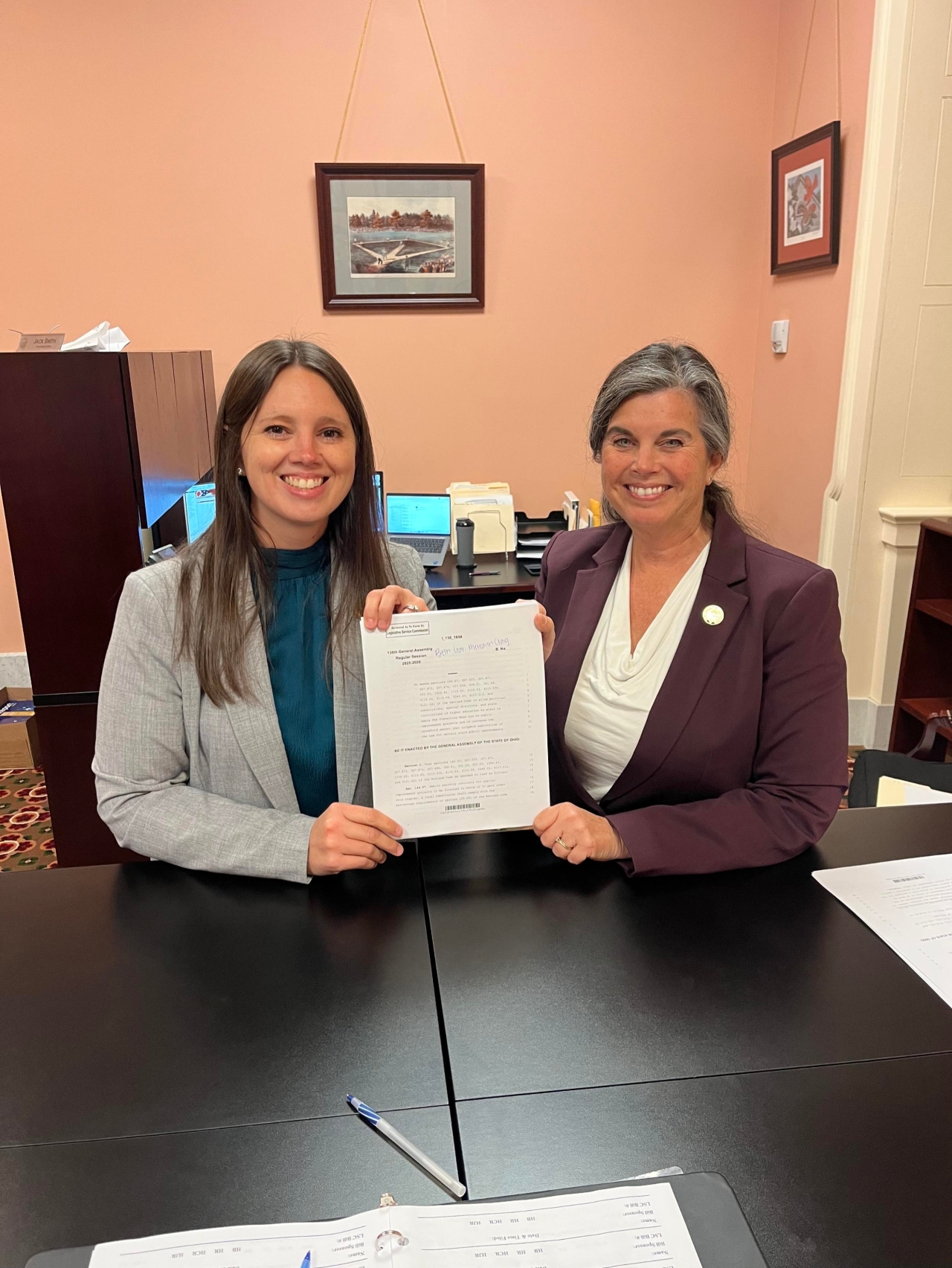
COLUMBUS –State Representatives Beth Lear (R-Galena) and Meredith Craig (R-Smithville) this week introduced House Bill 513, legislation designed to give local governments the freedom to decide for themselves whether to apply prevailing wage standards on public projects.
Under current Ohio law, all public projects are mandated to pay prevailing wage rates set by the state. House Bill 513 does not eliminate prevailing wage, it simply removes the state mandate, allowing local entities the option to determine what works best for their own budgets and communities.
“At a time when everyone in Ohio is facing soaring property taxes, the legislature must act to limit mandates on local government and make it less expensive for them to operate,” said Lear. “This legislation would give them the ability to spend less on construction - if they choose to do so. It just makes sense, dollars and cents.”
The requirement to use prevailing wage has consistently driven up costs and reduced efficiency. At a time when taxpayers are asking their local governments to limit increased tax rates on property values, removing this state mandate will result in real savings. House Bill 513 returns control over spending and project management to those closest to the taxpayers. It will empower cities, villages, townships, and counties to pursue projects that fit within their budgets while still maintaining the ability to use prevailing wage if they choose.
“My county seat, the City of Wooster, could have saved nearly $2 million in capital costs if permissive prevailing wage had been in place through the end of 2025,” said Craig. “It is hypocritical for the state legislature to ask their local governments to reduce the property tax burden on homeowners, while mandating prevailing wage.”
Additionally, prevailing wage requirements limit competition in the bidding process by establishing a wage floor that all contractors must meet. This often discourages smaller and non-union contractors who might offer innovative, cost-effective solutions but cannot compete with the larger companies. As a result, local governments miss out on potential savings from a broader range of bidders. Removing this mandate will encourage more competitive bidding and result in real savings all the way down to the taxpayer.
House Bill 513 has been assigned to the House Commerce and Labor Committee and awaits a first hearing.