




Legislation to Address Evolving Technology and Air Mobility Signed into Law
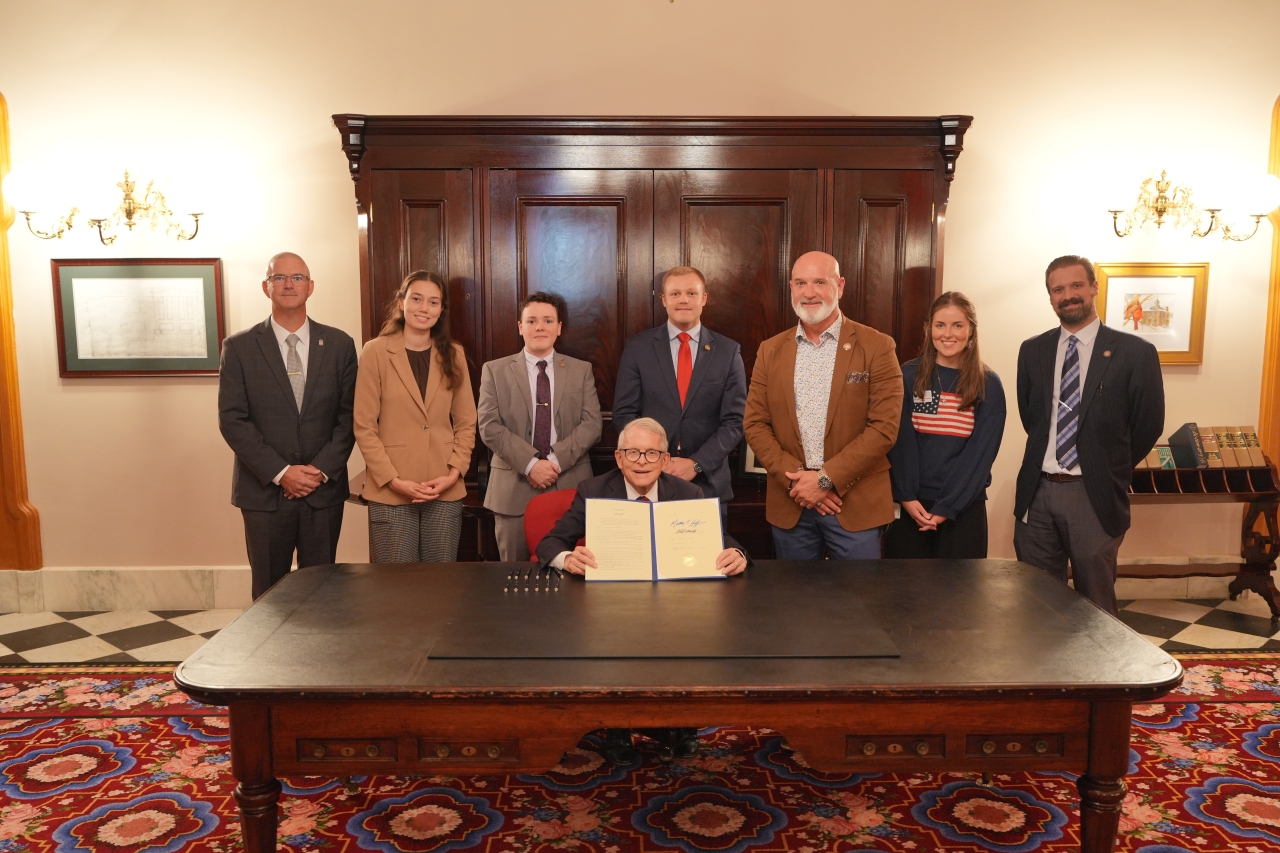
State Representative Bernie Willis (R-Springfield) is pleased to share that Governor DeWine signed House Bill 251, legislation to address two key areas related to the rapidly evolving air mobility landscape in Ohio.
The bill, championed by Willis, will align with constitutional protections guaranteed under the Fourth Amendment by requiring law enforcement to obtain a search warrant before using unmanned aerial vehicles (UAVs) for surveillance purposes, with certain exceptions. Exceptions defined under the bill include:
- Border security operations within 50 miles of an international border;
- Exigent circumstances that require immediate action;
- Disaster response to environmental or weather emergencies;
- Traffic and accident investigations; and
- Research, training, and development purposes.
House Bill 251 will also require all law enforcement UAV flights to be documented as public record and will prohibit arming UAVs with lethal weapons.
“This law is the next logical step in ensuring public trust when our law enforcement and public safety agencies are using the technology provided through their tax dollars,” said Willis. “Drones are force multipliers and already help us save time, money, and lives ultimately. We want to preserve the ability to use them for every good purpose today and in the future.”
Additional highlights of the bill include:
- Defines and formally recognizes seaplane bases, heliports, vertiports, and spaceports as part of Ohio’s aviation infrastructure;
- Requires these facilities to obtain a certificate of approval from the Ohio Department of Transportation before being used for commercial purposes; and
- Extends the existing certification process for airports and landing areas to these newly defined facilities.
House Bill 251 is now enrolled.